

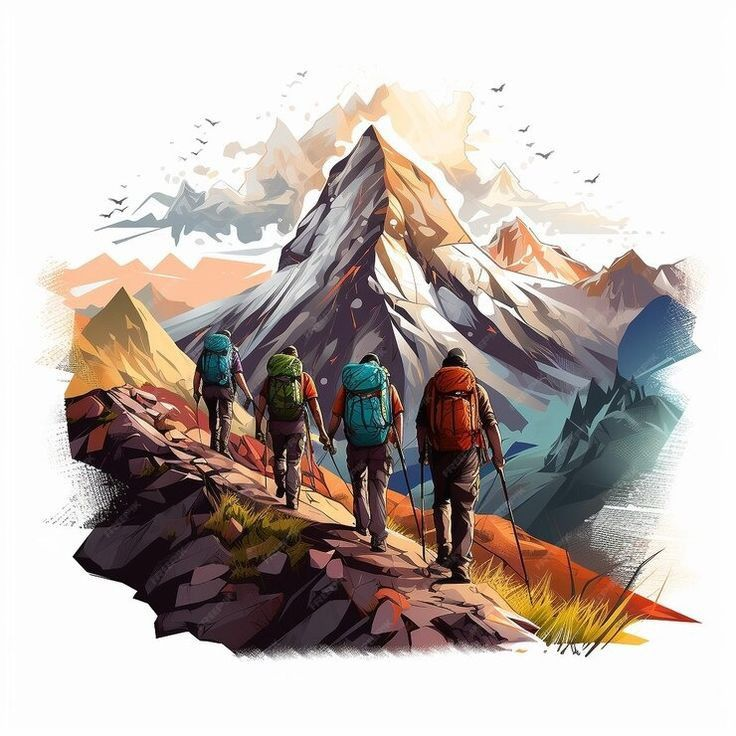
INTRODUCTION — What is Trekking and Why Do People Love It?
Trekking means walking long distances on mountains, forests, valleys, or natural trails.
It is not the same as normal walking because:
- The path is uneven
- The route is long
- Weather changes quickly
- You climb up and down
- You stay in the middle of nature
People like trekking because:
- It reduces stress
- It refreshes the mind
- It improves stamina
- It builds confidence
- It helps you explore nature
- It creates memories
- It gives an adventurous feeling
If you love mountains, trekking becomes a life-changing experience.
CHAPTER 1: TYPES OF TREKKING (Beginner Must Know)
All treks are not the same. They have different difficulty levels.
1. Easy Treks (Perfect for Beginners)
- Short distance
- Simple trails
- Low altitude
Examples:
Nag Tibba, Dayara Bugyal, Chopta–Tungnath
2. Moderate Treks
Slightly challenging but manageable.
Kedarkantha, Hampta Pass, Kuari Pass, Brahmatal
3. Difficult Treks
Requires good experience and stamina.
Roopkund, Pin Parvati, Rupin Pass, Bali Pass, rudranath
4. High Altitude Treks (4000m+)
Everest Base Camp, Goechala, Stok Kangri
For beginners, always choose an Easy Trek.
CHAPTER 2: BEST TIME FOR TREKKING
Each season gives a different experience.
Summer (April–June)
- Best weather
- Clear views
- Perfect for beginners
Monsoon (July–September)
- Trails become slippery
- Landslide risks
Not safe for beginners.
Winter (November–February)
- Snow treks
- Beautiful but very cold
- Difficult for first-timers
Famous winter treks: Kedarkantha, Brahmatal, Kuari Pass
Post-Monsoon (September–October)
- Clear skies
- Green landscapes
- Safe and ideal for trekking
CHAPTER 3: PACKING LIST FOR BEGINNERS (Complete List)
Packing smart is very important.
Clothing
- Warm jacket
- Fleece jacket
- 2–3 dry-fit t-shirts
- Trekking pant
- Thermal wear (optional)
- Raincoat or poncho
- Woolen cap
- Gloves
Footwear
- Trekking shoes with ankle support
- 3 pairs of socks
- Avoid normal sports shoes
Toiletries
- Toothbrush and small toothpaste
- Sunscreen
- Moisturizer
- Face wash
- Sanitizer
- Toilet paper
Medical Kit
- ORS packets
- Bandages
- Cotton
- Pain relief spray
- Dettol
- Headache tablet
- Motion sickness tablet
Gear
- Head torch
- Water bottle
- Powerbank
- Trekking pole
- Backpack (40–50L)
- Rain cover for bag
- Portable camping stove
- Camping tent
Documents
- ID proof
- Trek permit (if required)
CHAPTER 4: HOW TO PREPARE YOUR BODY (30-Day Fitness Plan)
Most beginners face breathlessness, leg pain, and low stamina.
This 30-day plan helps you get ready.
Week 1
- Walk 2 km
- 20 squats
- 1-minute plank
Week 2
- 3 km walk + 1 km light jog
- 30 squats
- 15 minutes stretching
Week 3
- 5 km walk or jog
- 50 squats
- 10 minutes stair climbing
Week 4
- 6–7 km walk or jog
- 70 squats
- 2-minute plank
- 20 minutes stair climbing
If you follow this plan, you will be fit enough for most easy and moderate treks
.
CHAPTER 5: HOW TO CHOOSE YOUR FIRST TREK
Choosing the right trek is important for a good experience.
- Choose short-distance treks (4–10 km per day)
- Choose low-altitude treks (below 3000m)
- Avoid monsoon season
- Go for treks with proper stay options
- Always take a guide for the first trek
CHAPTER 6: SAMPLE ITINERARY (Beginner-Friendly Example)
Here is a simple example of a 2-day trek:
Nag Tibba Trek
Day 1
- Travel from Dehradun to Pantwari
- Have breakfast
- Start the trek
- Hike 4–5 km to the campsite
- Evening tea
- Dinner
- Stargazing at night
Day 2
- Early morning summit
- Watch the sunrise
- Return to campsite
- Trek back to base village
- Drive to Dehradun
This is one of the best beginner treks in India.
CHAPTER 7: SAFETY TIPS FOR FIRST-TIME TREKKERS
- Check weather every day
- Never trek alone
- Drink enough water
- Walk slowly and steadily
- Listen to local guides
- Stay on the trail
- Keep distance from wild animals
CHAPTER 8: ALTITUDE SICKNESS (AMS) — Important for Beginners
Symptoms
- Headache
- Nausea
- Dizziness
- Fast heartbeat
- Loss of appetite
Prevention
- Walk slowly
- Keep drinking water
- Avoid alcohol
- Eat light food
- Sleep early
If symptoms get worse, go down immediately.
CHAPTER 9: COMMON MISTAKES BEGINNERS MAKE
- Wearing the wrong shoes
- Carrying too much weight
- Walking too fast
- Not checking weather
- Eating heavy food
- Not listening to the guide
- Planning at the last moment
CHAPTER 10: PHOTOGRAPHY TIPS ON A TREK
- Morning light is always better
- Use wide-angle if possible
- Capture trails, tents, sky, and landscapes
- Keep your camera stable for night shots
- Take photos with mountain backgrounds
CHAPTER 11: FOOD AND WATER GUIDELINES
Eat Light
- Dal-rice
- Khichdi
- Roti-sabzi
Best Snacks
- Dry fruits
- Energy bars
- Glucose
- Biscuits
Avoid
- Oily food
- Heavy meals
- Too much cold water